

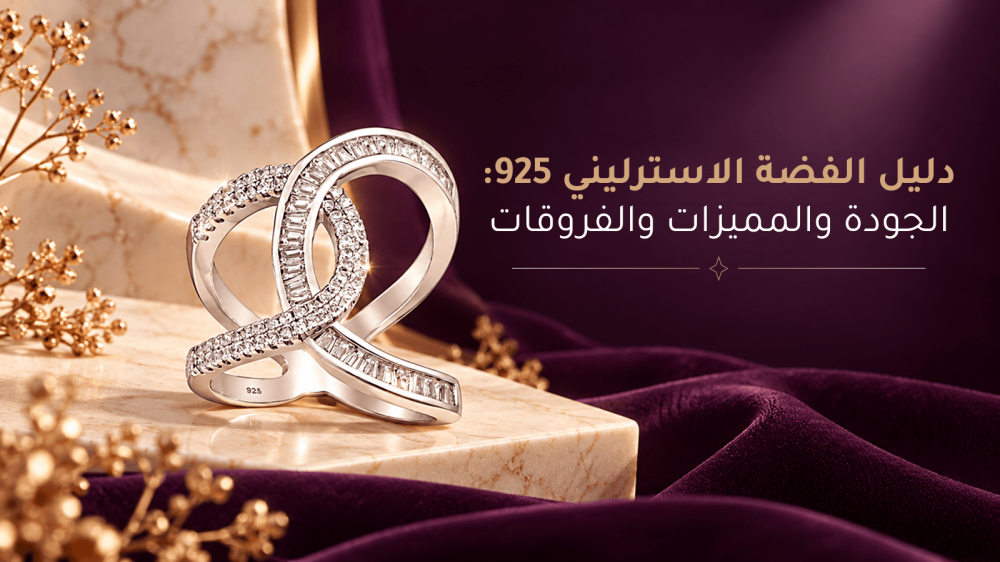
When buying jewelry, many shoppers worry about whether a piece is authentic or if it will tarnish after a short period. Understanding the specifications of 925 sterling silver helps you choose the right piece with confidence, especially when shopping online or selecting jewelry for everyday wear. In this guide, we break down what the 925 hallmark means, how to check quality, the difference between 925 and S925, the role of rhodium plating, and the best ways to care for your silver.
Explore our 925 silver collection and choose the design that perfectly complements your look.
What is 925 Sterling Silver?
Sterling silver is an alloy composed of 92.5% pure silver and 7.5% other metals, with copper being the most common additive. The number 925 represents the parts of pure silver per 1,000 parts in the alloy.
This ratio is used because pure silver (999) is relatively soft and prone to bending or scratching easily when crafted into rings, chains, or bracelets. Adding specific proportions of other metals gives the alloy greater durability and better formability while preserving a high percentage of silver and its signature brilliant shine.
This makes 925 sterling silver a popular and practical choice for fine jewelry, striking the ideal balance between purity, durability, and design.
Is 925 Silver Real?
Yes, 925 silver is genuine silver in terms of containing 92.5% pure silver. However, it is important to distinguish between metal purity and overall authenticity. Purity refers to the alloy's silver content, while authenticity means the piece is genuinely made of the stated alloy rather than being a base metal plated with a thin silver layer.
While the 925 or S925 hallmark is an important indicator, it alone does not guarantee authenticity, as stamps can sometimes be copied. Always shop from a trusted retailer, review product descriptions, invoices, and return policies. If a piece is of high value or you have doubts about its purity, consult a professional jeweler for testing.
How to Check the Quality of 925 Silver
You can look for the following indicators, keeping in mind that home tests do not conclusively prove authenticity:
- Check the Hallmark: Look for "925" or "S925" stamped in a discreet area, such as the inside of a ring band or near a necklace clasp.

- Review Product Specifications: A trustworthy store should clearly state the metal purity, plating type, gemstone details, and basic care instructions.
- Inspect Craftsmanship: Check for smooth edges, secure stone settings, clasp quality, and even coloring.
- Use a Magnet as a Preliminary Test Only: Pure silver is non-magnetic, but many other metals are non-magnetic as well, meaning this test is not definitive on its own.
- Request Professional Verification: Jewelers can use specialized equipment or chemical tests to verify purity. Avoid harsh home tests like nitric acid, which can damage the piece or cause injury without proper safety gear.
Find a piece that matches your style from our 925 silver rings, and review all product details before purchasing.
What is the Difference Between 925 and S925?
The "S925" stamp typically stands for "Sterling," which is the English designation for sterling silver. Therefore, there is no fundamental difference in purity between a "925" stamp and an "S925" stamp—both indicate an alloy containing 92.5% silver according to standard specifications.
Even so, the presence of either hallmark does not automatically guarantee absolute authenticity. The retailer's reputation, clear product descriptions, invoices, and build quality remain key factors in verifying your jewelry.
What is Rhodium Plating?
Rhodium is a rare metal belonging to the platinum group, prized for its bright, reflective white finish. Some 925 sterling silver pieces are coated with a thin layer of rhodium to enhance their appearance and protect the surface from air and moisture exposure.
High-quality rhodium plating helps to:
- Provide a bright, uniform white shine.
- Reduce surface oxidation and tarnishing over time.
- Minimize the need for frequent polishing.
- Give certain silver pieces a look similar to white gold.
However, plating is not permanent; it can gradually wear off due to friction, sweat, water, and chemical exposure, especially on rings and bracelets. Therefore, it does not permanently prevent scratches or color changes. Once the plating wears down, a local jeweler can easily re-plate the piece.
Does 925 Silver Change Color (Tarnish)?
Yes, 925 silver can darken over time due to natural surface oxidation. This occurs when the silver and its alloy metals react with air, humidity, body oils, perfumes, or chemical products.
Tarnishing does not necessarily mean a piece is fake; in most cases, its original shine can be easily restored with proper cleaning. Rhodium-plated pieces stay bright longer, but the plating itself will wear down with regular use.
In the warm and humid climates of Saudi Arabia and the Gulf region, sweat and moisture can accelerate tarnishing. It is best to wipe your jewelry dry after wearing it and store it in a dry place.
How to Care for Your 925 Silver Jewelry

To keep your silver sparkling, follow these simple tips:
- Store each piece in a separate fabric pouch or lined jewelry box to minimize friction.
- Keep your jewelry in a dry place away from high humidity and heat.
- Apply perfumes, lotions, and cosmetics before putting on your jewelry, and let your skin dry completely first.
- Remove your jewelry before swimming or showering, especially in chlorinated or saltwater pools.
- Keep silver away from harsh household cleaners and chemical agents.
- Wipe pieces gently with a soft, dedicated silver polishing cloth after use.
- Avoid rough brushes or abrasive cleaners, especially on rhodium-plated items.
What is the Difference Between Silver Types?

The price of a piece of jewelry is never based solely on its silver weight; factors such as weight, design, gemstones, plating, manufacturing costs, and brand reputation all influence the final price.
When Should You Buy 925 Sterling Silver?
925 sterling silver is the ideal choice if you are looking for stylish everyday pieces, versatile gifts that match multiple outfits, or luxury designs at a practical price point. It is also perfect for those who love alternating between various rings, chains, bracelets, and earrings with easy maintenance.
Explore our recommended pieces: 925 silver bracelet, 925 silver set, and 925 silver ring.
If your goal is purchasing a precious metal purely as an investment, compare silver to gold or other asset classes according to your financial goals; resale value for silver jewelry depends on design, condition, craftsmanship, and market demand rather than silver weight alone.
Is 925 Silver Suitable for Sensitive Skin?
925 silver suits most people, but skin compatibility depends on the alloy metals used and individual sensitivities. Some individuals are sensitive to nickel or other trace metals, which can cause mild irritation or redness.
If you have sensitive skin, look for pieces explicitly labeled as nickel-free and check the metal composition. Proper plating can act as a barrier between your skin and the metal, though it may wear off over time. Discontinue use if any irritation occurs.
Frequently Asked Questions About 925 Sterling Silver
Is 925 silver real?
Yes, the 925 hallmark indicates that the alloy contains 92.5% pure silver. However, stamps alone shouldn't be your only check—always buy from a trusted retailer with clear product specifications and invoices.
Does 925 silver tarnish?
Yes, it can tarnish due to surface oxidation caused by air, humidity, sweat, and chemicals. Regular cleaning and dry storage easily restore its shine.
What is rhodium?
Rhodium is a rare, platinum-family metal used as a surface plating to enhance brilliance and slow down tarnishing, though it is not permanent and wears away over time.
Can I wear silver in the shower?
It is best to remove your jewelry before showering or swimming, as water, soap, chlorine, and humidity can dull the shine and accelerate wear on plated items.
Conclusion
925 sterling silver is an elegant and practical choice, combining a high purity standard, ideal jewelry durability, and versatile designs. When shopping, do not rely solely on stamps or magnet tests; choose a reliable brand, check the metal specifications, and review warranty and return policies. Once home, store your pieces away from moisture and harsh chemicals, and clean them gently to keep them shining bright.
Related Articles
- 925 Sterling Silver Bracelets: How to Choose the Perfect Piece for Your Wrist
- Women's Silver Rings: Sizing Guide & How to Choose Your Ideal Design